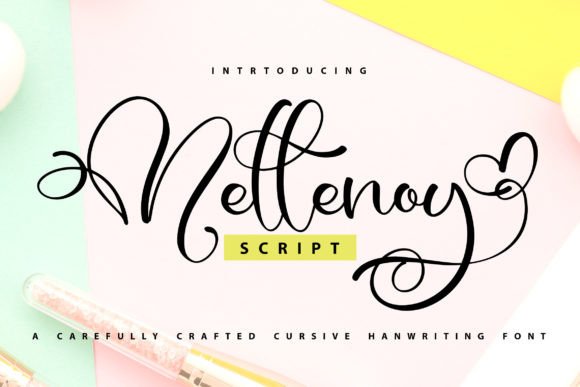
Cody Font: A Script Typeface That Elevates Your Brand
As a small business owner, your brand is more than just what you sell—it’s how you present yourself to the world. Every detail matters, from your logo to your packaging and even the thank-you note that comes with your product. One of the easiest yet most powerful ways to make your brand feel cohesive and professional is by choosing the right font. Cody, a beautiful script typeface from Script Amp, can help you create that polished, trustworthy look across all your business materials.
What Makes Cody Stand Out?
Cody isn’t just any handwriting-style font; it brings a unique blend of elegance and approachability to your designs. Its flowing letterforms have a natural, handwritten feel but are refined enough to work in both print and digital formats. The personality of Cody is warm and expressive—perfect for businesses that want to communicate creativity, authenticity, or a personal touch without sacrificing professionalism.
The mood it evokes is ideal for brands in the food, fashion, wellness, and lifestyle industries. Whether you're designing a wedding card, a greeting card for a boutique customer, or a label for a handmade product, Cody adds a layer of charm that feels genuine and intentional.
Real-World Applications for Small Businesses
Here’s where Cody truly shines: in the everyday design assets that define your brand identity. Think about the following:
- Logo Design: A well-designed logo using Cody can immediately set the tone for your brand. It works especially well if you're in the hospitality or artisanal space, such as a café or a candle-making business.
- Business Cards: Using Cody on your business cards gives them a creative edge while maintaining readability. Just be sure not to overdo it—reserve it for accents or taglines rather than full text.
- Product Labels: For handmade products like candles, skincare items, or baked goods, Cody can add a premium, personalized look to your labels.
- Packaging Design: Incorporate Cody into your packaging copy for names, mottos, or special messages. It helps your products stand out on shelves and online listings.
- Social Media Graphics: Cody makes Instagram posts, Pinterest pins, and Facebook ads feel more engaging. Use it for headlines or quotes to draw attention and build emotional connection.
- Website Banners: Pair Cody with a clean sans serif font for your website banners or hero sections. This contrast enhances visual interest and keeps important messaging clear and legible.
- Menus and Flyers: In a café or restaurant setting, Cody can give your menu a handcrafted feel. For flyers or promotional material, use it sparingly for headers to keep the rest of the content easy to read.
- Thank-You Cards and Stickers: These smaller touches matter. Cody can make your thank-you cards and branded stickers feel more thoughtful and memorable.
Creating a Memorable Brand Identity
Your brand identity needs to be consistent across every touchpoint. A single font—especially one like Cody—can tie together your logo, website, packaging, and marketing materials into a unified whole. When customers see the same typographic style everywhere, they start to recognize your brand faster and form a stronger impression of it.
For example, imagine you own a boutique called “Luna & Co.” Using Cody in your logo and shop signage instantly conveys a sense of craftsmanship and warmth. When combined with matching fonts on your pricing tags and social media posts, your brand becomes more recognizable and trustworthy.
Similarly, a bakery named “Sweet Whisk” could use Cody for its storefront name and packaging labels, creating a friendly yet professional image that invites customers in. The font's versatility ensures it looks great whether printed on a large banner or a tiny cupcake wrapper.
Choosing the Right Font for the Right Purpose
While Cody is a decorative script, it’s not always suitable for body text. As a display font, it excels at grabbing attention and setting the tone for headings, logos, and short phrases. Here are some practical tips on how to use it effectively:
- Use Cody as a Headline: It’s perfect for titles and taglines. Make sure it stands out against your background color and doesn’t become too busy when used alongside other design elements.
- Try It in Logo Design: If your brand benefits from a more artistic or human feel, Cody can serve as the main typeface in your logo. However, ensure it’s still legible at different sizes, especially when printed on merchandise or signage.
- Pair It Thoughtfully: Cody pairs well with clean, modern sans serif fonts like Montserrat or Open Sans for a balanced look. Alternatively, a classic serif font like Georgia can ground Cody and create a timeless aesthetic.
- Limit Usage for Readability: Don’t let Cody take over your design. Use it as an accent or highlight instead of for long paragraphs or dense information.
Readability Matters in Real Business Settings
One concern many entrepreneurs have with script fonts is whether they’re readable. With Cody, you’ll find it strikes a nice balance between stylized and legible. However, there are still best practices to follow:
- Always test Cody at different sizes, especially for product labels and mobile-friendly web banners.
- Ensure good contrast between the font color and background (e.g., dark Cody on light backgrounds or vice versa).
- Avoid using Cody in small print settings like fine-typed contracts or legal documents.
- Consider adding subtle spacing or stroke adjustments to enhance clarity in certain applications.
When applied correctly, Cody maintains a high level of readability while still feeling distinctive and personal. This is key for ensuring your message is understood and your brand is perceived as professional.
Testing Before Full Integration
Before committing to Cody for your entire brand, do a few simple tests:
- Print a sample of your logo or label using Cody and hold it up to a bright light to check how it looks in real-world lighting conditions.
- View it on a smartphone screen. Can you easily read it at a glance? If not, consider adjusting size or contrast.
- Create mockups of your packaging and website using Cody and ask trusted customers or peers for feedback.
- Compare it with your current branding to ensure it aligns with your overall style and values.
These tests will help you avoid potential issues and confirm that Cody complements your brand rather than distracts from it.
Font Licensing for Commercial Use
If you plan to use Cody on merchandise, product labels, client deliverables, or digital downloads, it’s essential to verify the commercial font licensing terms. Many script fonts come with restrictions, so make sure Cody is licensed for the specific use cases you have in mind. This protects your business and ensures you stay compliant as you grow.
Final Thoughts
Cody is more than just a pretty script font—it’s a strategic design choice that can enhance your brand’s visual storytelling. Whether you’re crafting a new logo, redesigning your packaging, or updating your social media templates, Cody offers a versatile and stylish option that supports your brand’s growth. Used wisely, it can help your business appear more consistent, professional, and trustworthy to your audience.
Make Your Brand Feel More Human with Cody
In today’s competitive market, standing out means being authentic and visually appealing. Cody provides that perfect mix, allowing you to express your brand’s personality through typography. From your website visuals to your product labels, this font has the potential to elevate your creative projects and strengthen your brand presence.